
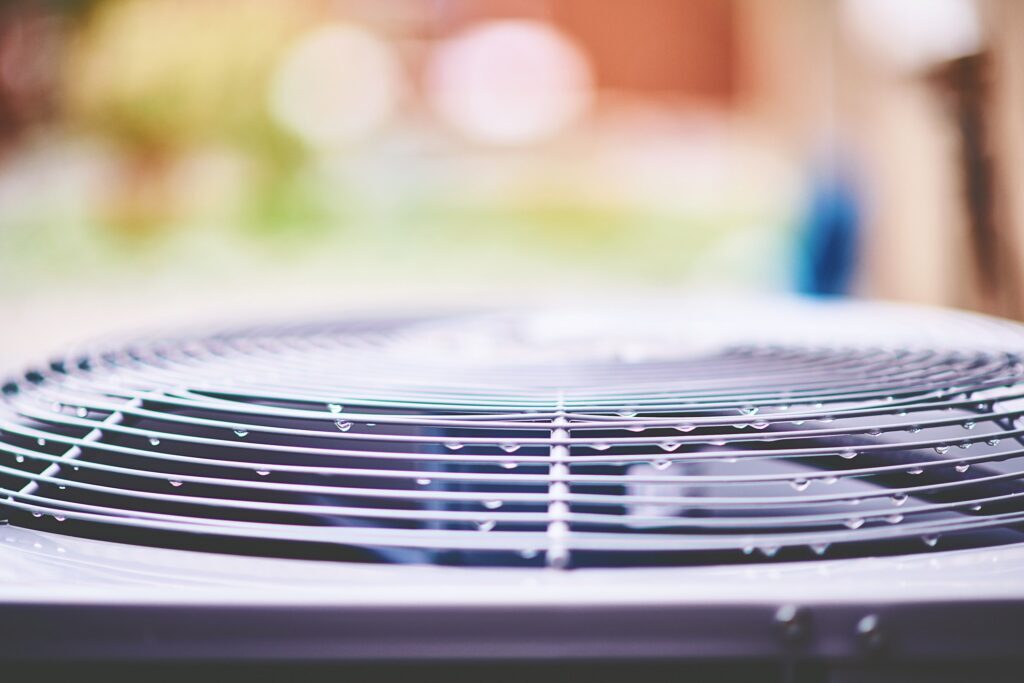
Tropical storms can cause immense damage to your outdoor condenser unit. From flooding and power events to flying debris, taking the time to adequately protect your unit is the key to ensuring that it safely gets through hurricane season. Below, we’ll discuss proper hurricane HVAC prep and how to perform a post-storm AC restart to ensure optimal safety for your system.
Preparing in advance can also help minimize repair costs and reduce the likelihood of unexpected cooling interruptions during severe weather. Read on to learn how to get ready.
Pre-Storm Planning: Clearance, Scheduling, and Power-Risk Considerations
Hurricane HVAC prep is one of the most effective ways to greatly reduce storm-related damage to your HVAC unit. Your outdoor condenser unit is especially vulnerable to flooding, flying debris, rain, and wind. One of the best places to start is by inspecting the area surrounding your outdoor unit.
Trim back any tree branches, shrubbery, or other vegetation that could break loose during high-wind events. Be sure to remove any loose items from your yard, like toys, decorations, lawn furniture, planters, and gardening equipment. Even lightweight objects can become very dangerous during tropical storm conditions. Clearing the surrounding area also allows your system to maintain proper airflow before and after storm activity.
Scheduling preventative maintenance, whether as a one-off or part of your HVAC maintenance plan, should always be on your tropical storm AC checklist. Routine maintenance before the Tampa hurricane season arrives will ensure that your unit is ready to take on the peak weather demands. A tune-up is crucial for addressing minor issues that your system may have before storm events arrive.
Unfortunately, during tropical hurricane season, the likelihood of sudden power loss and electrical surges skyrockets. These severe weather events can have a significant impact on your HVAC equipment. Anytime excess energy surges through the wiring for your HVAC system, it can cause temporary or even permanent damage. Investing in a surge protection device is a great way to catch those voltage fluctuations before they reach your HVAC unit.
During and After the Storm: Restart Basics and Damage Indicators
A great way to protect your outdoor AC unit is to ensure that you shut it off when a tropical storm or hurricane is imminent. Turning off your system helps protect its internal electrical components from interruptions and power surges that often occur during severe weather events. Unstable power conditions, heavy rain, and flying debris can all increase the risk of equipment damage during tropical storms.
After the storm passes through your area, resist the temptation to automatically turn your unit back on. Instead, perform a visual inspection from a safe distance. You want to look for any obvious signs of damage, like disconnected refrigerant lines, damaged electrical wiring, fallen branches, bent coils, or even debris lodged inside your condenser unit.
If your unit happens to be submerged in standing water or exposed to severe flooding, do not turn it on. Water can damage electrical components and create serious safety hazards. Any HVAC equipment that has been exposed to flooding should be inspected by an HVAC technician before it gets turned back on.
Post-Storm Priorities: Inspections, Cleaning, and Service Timing
As part of your post-storm AC restart process, it’s necessary to remove any debris, mud, branches, or leaves that are pushed up against your outdoor condenser unit. This helps maintain proper airflow so that your system can operate efficiently without any additional strain. You should avoid doing any sort of extensive cleaning inside the actual unit itself. There are many delicate internal components that can be damaged with improper cleaning techniques. It’s best to rely on a professional who has the tools and experience to safely service your unit after a storm.
If your unit was exposed to severe conditions during a tropical storm, one of the best ways to protect your outdoor AC unit is to get a professional inspection. Calling right after the storm to schedule AC repair will help reduce wait times. A professional inspection typically includes checking refrigerant levels, inspecting coils, testing system performance, and evaluating electrical components. This is a proactive step that can help restore efficiency and reliability to your system while extending its overall lifespan. Technicians may also identify hidden issues that are not immediately visible after a storm passes.
Prepare Early to Reduce Downtime After a Storm
Hurricane season can place a significant amount of stress on your home cooling system. Having a tropical storm AC checklist to follow can help ensure that you prepare your unit appropriately and handle any issues it may experience during storm season. We’re also here for all of your emergency needs after storm events to ensure you always get the assistance that you need. It’s always best to seek out professional assistance to protect the integrity of your unit and ensure its optimal, safe operation moving forward.
Contact us at FL HVAC Team in Tampa, FL, to schedule maintenance before storm season arrives.