If you’re in the market for a new air conditioning system and live in Florida, there have been some recent changes to refrigerant laws. Understanding how this affects air conditioning systems, their cost, and their availability can help you make a better-informed purchasing decision for your home. Below, we’ll look at some of these recent changes so you’re better informed on the topic.
What’s Changing in 2026 and Why It Affects New AC Equipment Choices
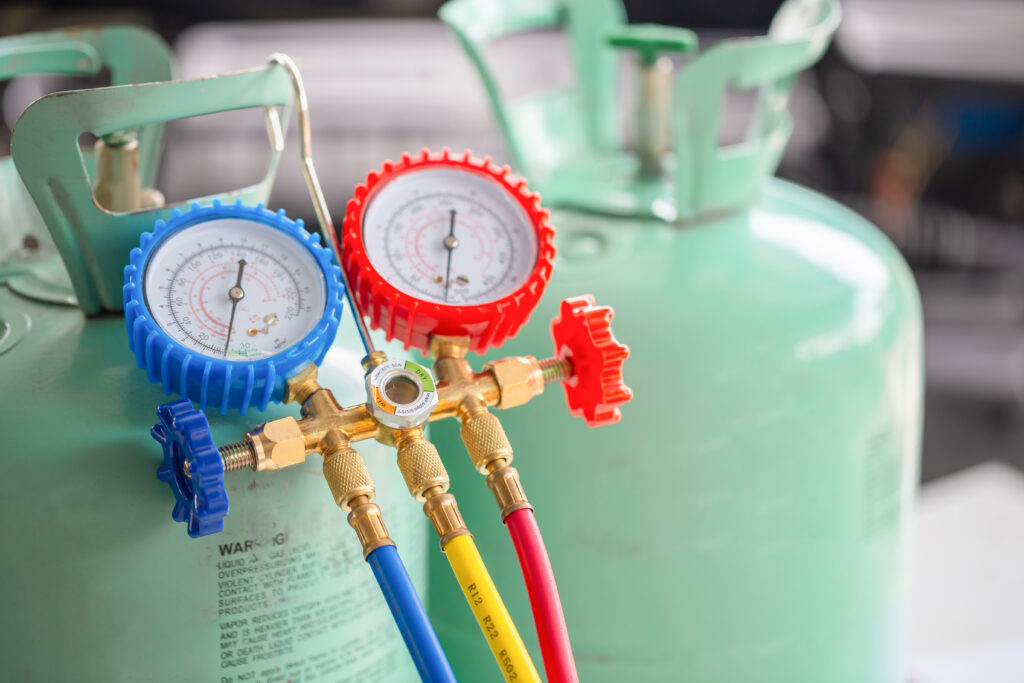
Refrigerant is a substance used inside your air conditioning system. It’s responsible for absorbing heat from inside your home. It gets circulated by the compressor pump, and then your outdoor unit disperses the heat to the air outside. This effectively cools your home to keep it comfortable during the hottest days in Florida.
Starting in 2026, the Environmental Protection Agency has set new laws regarding what refrigerant types can be used inside air conditioning systems. It’s required that all HVAC manufacturers transition to lower global warming potential refrigerants. This shift is to reduce environmental impact and meet updated regulatory standards.
In the late 1990s and early 2000s, many residential air conditioning systems used R410A refrigerant. While this product was effective, it was found to have relatively high global warming potential. This is damaging to the environment. Now, HVAC manufacturers are moving towards more sustainable refrigerants with lower environmental impacts. The most popular include R-32 and R-454B.
It’s important to note that this transition from R-410A to the newer refrigerants creates a clear divide between older AC units and newer ones. There’s no ability to retrofit your existing AC unit to accommodate one of the newer refrigerants. Older systems that use R-410A refrigerant can still be serviced and repaired when necessary. However, the production of R-410A refrigerant is being significantly reduced. This means recharging your refrigerant for an outdated system can get quite costly as time goes by. Eventually, professionals won’t be able to source it.
What to Ask Before Install: Refrigerant Type, Warranty, Parts, and Serviceability
Before installing a new AC system, there are some questions that you’ll want to ask your Tampa HVAC install professional. One of the most crucial new AC system questions is what type of refrigerant the system uses. It’s imperative that your new system be designed with one of the next-generation refrigerants like R-R-454B or R-32. This will ensure that your new system aligns with new standards and future-proofs your investment.
AC replacement planning should include checking out a manufacturer’s warranty in detail. Two key areas you want to look at are parts and compressor coverage. Standard warranties will last for approximately 10 years, with high-efficiency units having a longer warranty. You may need to register your new unit within a certain time frame to activate its warranty coverage. Additionally, you’ll typically need to schedule service from a licensed professional to maintain your warranty coverage.
When you experience a system malfunction, it’s important that you can get it back up and running quickly and affordably. This becomes especially important in the Florida heat during peak summer months. It can be helpful to chat with your installer to ensure that there’s a supply chain for the new parts available so that your system can be readily repaired whenever necessary.
Because newer systems are part of the 2026 refrigerant change in Florida, not all technicians are knowledgeable about A2L refrigerant types. This includes the newer R-454B and R-32 refrigerants. You want to hire an installer that understands proper handling and safety protocols for these new AC units.
Installation Planning: Timelines, Permits, and Maintenance Expectations
When you focus on AC replacement planning instead of last-minute replacement, it can make a significant difference in the overall experience and cost. Because Florida has such a demanding environment when it comes to cooling systems, timing is everything. Ideally, you want to schedule replacement as early in the spring as possible. Avoid the peak summertime rush and take advantage of flexible scheduling.
Depending on where you live, you may need to obtain a permit to upgrade your HVAC system. Working with a qualified HVAC contractor ensures you have proper permitting in place and adhere to local code enforcement.
Most air conditioning systems can be installed within a single day. However, more complex installations may take more than a day to complete. It’s helpful to check with your contractor ahead of time so you can plan for a replacement. Additionally, you should be aware of any ongoing maintenance that’s essential to keeping your system operating efficiently. This keeps warranty coverage valid and protects your overall investment.
Choose a System That Stays Compliant and Serviceable Long-Term
[company_name] is your go-to expert for AC installation in Tampa, FL, and the surrounding communities. We can also assist with all your AC repair, tune-up, and replacement needs.
Contact our office today to request an AC installation estimate for your home.