FL HVAC Team ·

A lot of what homeowners hear about HVAC rebates and tax credits is a year or two out of date. Blog posts get written once and never updated, and a program that made sense in 2023 might not exist anymore, or might have changed enough that the old numbers no longer apply. That gap between what is written online and what is actually available right now costs Tampa homeowners real money, either because they miss something real or chase something that no longer exists.
Replacing an HVAC system is a significant expense, and the honest picture of what can offset that cost in 2026 looks different than it did even a year ago. Some of what used to be widely advertised federal savings is gone. Some of what is still available through the local utility gets overlooked because it is less talked about than the federal programs used to be.
FL HVAC Team walks Tampa homeowners through this regularly, because getting the financing and rebate picture right before a replacement decision changes what the project actually costs out of pocket.
In this article, you will learn about:
- What happened to the federal HVAC tax credit and where things actually stand in 2026
- The utility rebate programs genuinely available to Tampa area homeowners
- How financing options work for homeowners who want to spread out the cost
- How to combine what is available without overpaying or missing something real
Keep reading to find out what is actually on the table for your replacement project, not what an outdated blog post says was available two years ago.
What happened to the federal HVAC tax credit
For years, the federal Energy Efficient Home Improvement Credit, known as Section 25C, was the headline savings opportunity mentioned in nearly every HVAC replacement article. That changed in 2025, and a lot of content online has not caught up.
The credit's status changed under the 2025 tax legislation
The One Big Beautiful Bill Act, signed into law in July 2025, ended Section 25C earlier than originally scheduled. The credit had previously covered 30 percent of qualifying equipment and installation costs and was extended under the Inflation Reduction Act to run through 2032, but the new legislation moved up its expiration significantly. The Internal Revenue Service confirmed in August 2025 that the credit will not be allowed for any property placed in service after December 31, 2025.
That means a system installed in 2026 does not qualify for the federal 25C credit, regardless of its efficiency rating, its SEER2 number, or how the equipment is marketed. This is a real change from the years when this credit was a standard part of the savings math on nearly every HVAC replacement. A few things the credit used to cover, before its expiration, are worth knowing for context:
- Up to $600 for qualifying central air conditioners
- Up to $2,000 for qualifying heat pumps and ductless mini-splits
- 30 percent of installation costs alongside equipment costs, not just the equipment itself
Why this still trips up homeowners doing research
A homeowner searching for "HVAC tax credit Florida" today will still find plenty of articles describing the old 30 percent credit with its dollar caps, because most of those articles were written before the law changed and have not been updated since. Following outdated guidance here does not just mean missing a benefit, it can mean building a budget around savings that no longer exist.
The practical takeaway for 2026 is straightforward. The federal 25C credit is not part of the savings picture for a new HVAC system installed this year. Any homeowner still seeing it referenced as a current option should treat that source with real skepticism and confirm directly rather than assume the article reflects current law.
What this means for planning a 2026 replacement
Losing a federal credit that used to be worth up to a few thousand dollars changes the math on a replacement project, but it does not mean there is nothing available. It does mean the remaining options, utility rebates and financing, carry more weight in the overall cost picture than they used to when the federal credit was still part of the equation.
Utility rebates that are genuinely available right now
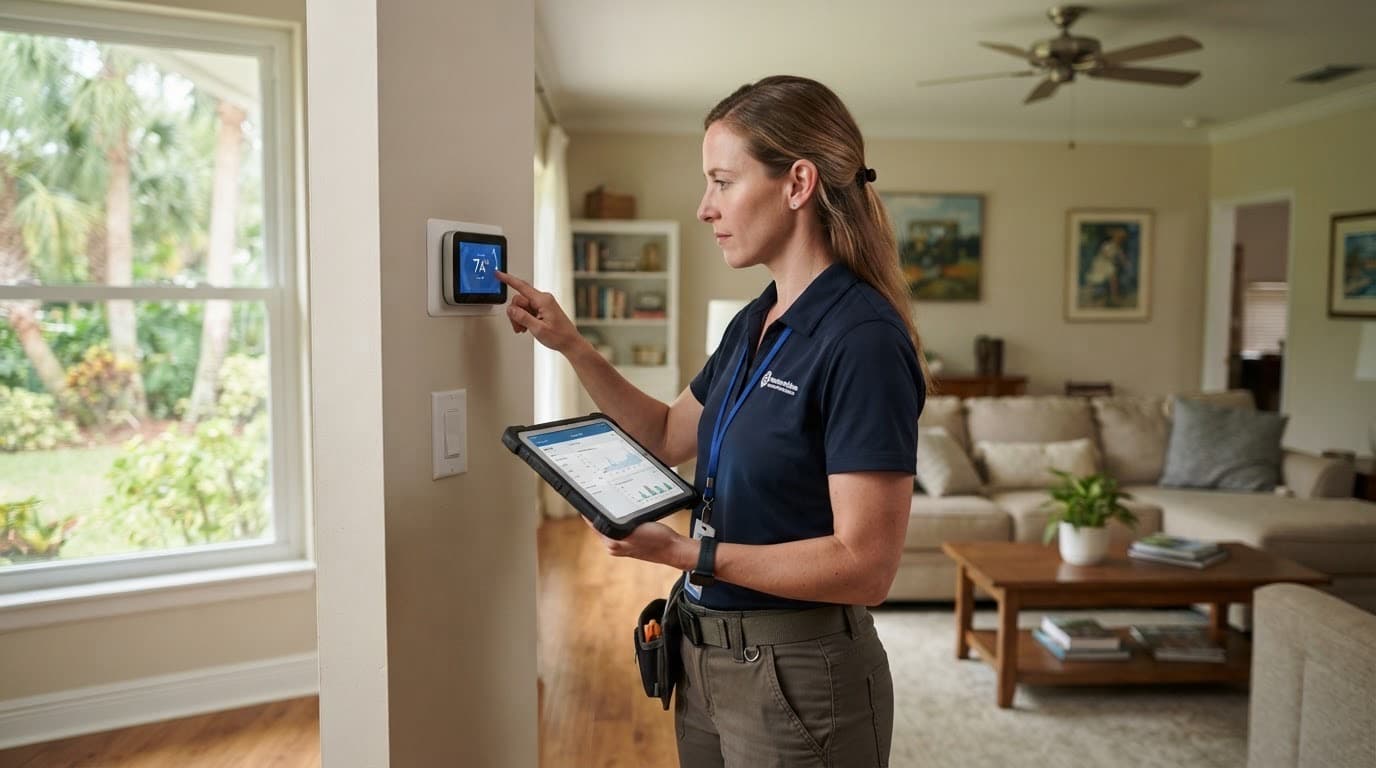
With the federal credit gone, utility-level rebates through Duke Energy Florida are the most concrete savings option left for Tampa area homeowners, and they are frequently overlooked simply because they get less attention than the federal programs used to.
How Duke Energy's Home Energy Improvement program works
Duke Energy Florida's Home Energy Improvement rebate program requires a free Home Energy Check, either in person or self-directed online, completed within the 24 months before the work begins. That check generates the recommendations that then make a homeowner eligible for the HVAC replacement rebate, along with related rebates for attic insulation and duct testing and repair.
That sequencing matters. A homeowner who installs a new system first and tries to apply for the rebate afterward without having completed the Home Energy Check may not qualify, since the program is built around the audit driving the upgrade recommendation rather than the other way around. The general order of steps looks like this:
- Schedule and complete the free Home Energy Check, in person or self-directed online
- Review the recommendations the check generates for the home
- Have the HVAC replacement installed by a licensed and insured contractor
- Submit the rebate documentation within the program's required window after installation
What the program actually covers
The HVAC replacement rebate itself is only part of what the program offers. Duke Energy's program also covers attic insulation upgrades and duct testing and repair, both of which are worth pursuing at the same time as an HVAC replacement. A brand new system paired with ductwork that loses air through leaks and gaps delivers only a fraction of the efficiency gain the rebate program is designed to reward.
A few things to confirm before counting on this rebate:
- Whether the specific home qualifies under current SEER2 and equipment requirements
- Whether the condensing unit and air handler are both being replaced at the same time, since partial replacements may not qualify
- The current dollar amount, since rebate levels are adjusted periodically and the figure quoted last year is not a safe assumption for this year
Why confirming current numbers matters more than memorizing them
Rebate programs like this one get updated periodically, sometimes expanding and sometimes tightening depending on utility budgets and state regulatory decisions. A number that was accurate six months ago is not a guarantee of what is available today, which is exactly the same trap that catches homeowners relying on outdated federal tax credit information.
The safest approach is treating any specific rebate figure as a starting point for a conversation rather than a guaranteed number, and confirming the current program details directly with Duke Energy or through a contractor who stays current on the program's terms.
How financing works for homeowners covering the rest of the cost
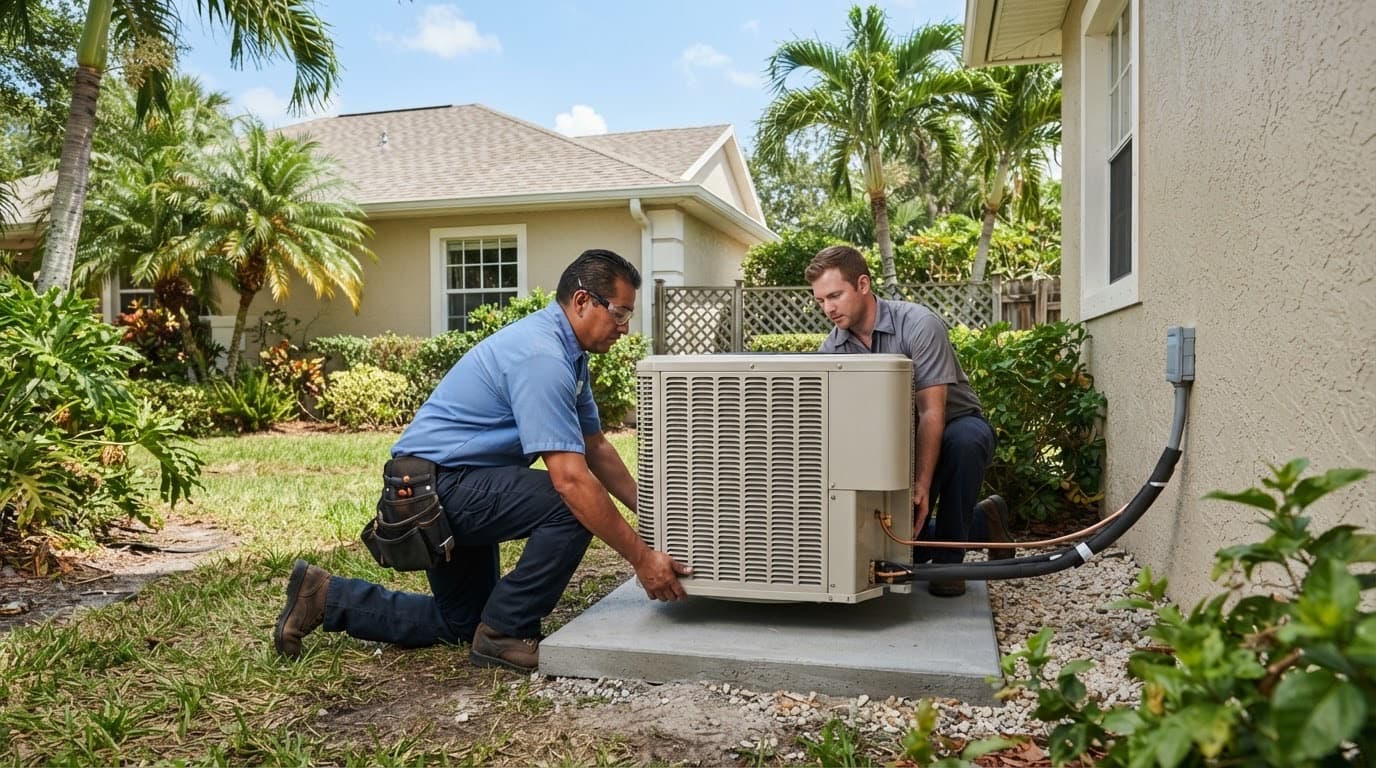
With one major federal incentive gone and utility rebates covering only part of a full system replacement, financing has become a bigger piece of how most Tampa homeowners actually pay for HVAC work.
The basic shape of HVAC financing
Most financing options for HVAC replacement work similarly to other home improvement financing: a set loan amount, a fixed monthly payment, and a term that typically runs from a few years up to ten or more depending on the lender and the size of the project. Many HVAC companies, FL HVAC Team included, partner with financing providers specifically so homeowners can spread out a replacement cost rather than paying the full amount upfront.
Terms and rates vary considerably between financing programs, and the details matter more than they might seem to at first glance. A slightly higher monthly payment over a shorter term can end up costing less overall than a lower payment stretched over many years, once interest is factored in.
What to actually compare between financing offers
A few factors are worth comparing directly rather than just looking at the monthly payment figure:
- The interest rate and whether it is fixed or variable over the life of the loan
- Whether there is a promotional period, such as deferred interest, and what happens if the balance is not paid off before it ends
- Any origination fees or prepayment penalties that affect the real cost of the loan
- How the monthly payment compares to what the homeowner would have paid anyway on higher energy bills from an aging, inefficient system
That last point is worth taking seriously. A financed payment on a new, more efficient system is sometimes close to, or even lower than, what a homeowner was already paying in higher energy costs and repair bills on an old one, which changes how the financing decision should be weighed.
The symptoms that push a homeowner toward financing a full replacement in the first place are usually not subtle by the time the decision actually gets made. A system that has been whistling, running weaker than it should, or freezing up in the middle of summer on top of climbing repair bills is usually well past the point where another patch repair makes financial sense, and that combination of symptoms is exactly what should trigger a serious look at financing a full system rather than continuing to fund one repair after another.
Combining financing with the rebate
Financing and the Duke Energy rebate are not mutually exclusive. A homeowner can finance the full cost of a system and still receive the utility rebate once the Home Energy Check and installation requirements are met, with the rebate reducing the total amount owed rather than replacing the financing arrangement entirely.
Getting the sequencing right, completing the Home Energy Check before installation and confirming rebate eligibility before signing a financing agreement, avoids the situation where a homeowner finances a system only to later discover it does not qualify for the rebate they were counting on.
Putting the full picture together for a 2026 replacement
The honest 2026 picture for Tampa homeowners is different from what most articles online still describe. The federal tax credit is gone. The utility rebate is real but requires the right sequence of steps to actually qualify. Financing fills the largest remaining gap for most homeowners covering a full replacement.
Building a realistic budget
A realistic budget for an HVAC replacement in 2026 should start with the full system cost, then subtract only rebates that have been confirmed as currently available rather than assumed based on older articles or word of mouth. Financing then covers whatever gap remains between the confirmed rebate and the total project cost. A homeowner still unsure whether regular repairs are worth it or a full replacement makes more sense should weigh that decision before locking in a rebate or financing plan, since the answer changes what the budget actually needs to cover.
This approach avoids the two most common mistakes homeowners make in this process: assuming an expired federal credit still applies, and either overestimating or underestimating the utility rebate because the figure came from an outdated source rather than a current one.
When the timing of replacement matters as much as the financing
Financing and rebates only matter once the decision to replace has actually been made, and that decision itself deserves the same level of scrutiny. A failing compressor is one of the more common triggers that pushes a repair-focused homeowner into a replacement decision faster than planned, since compressor replacement costs on an older system often make repair the less economical choice compared to a full system swap.
Keeping a system well maintained through regular seasonal service can also delay the point where replacement becomes necessary at all. A homeowner with more lead time before a system actually fails has more room to compare financing offers and confirm current rebate terms, rather than making a rushed decision during an emergency breakdown. A few signs that a replacement decision may be approaching, well before an emergency breakdown forces the issue, include:
- Repair costs on an aging system creeping close to what a portion of a new system would cost
- A system old enough that parts availability or compatibility becomes a recurring issue
- Energy bills climbing steadily even with regular maintenance kept up
- Low refrigerant readings that keep recurring after being topped off, which usually points to a leak worth weighing against the cost of a new system
The value of asking directly before committing
A contractor who stays current on Duke Energy's program terms and understands what changed with the federal credit can walk through the actual numbers for a specific home and system, rather than relying on generic figures pulled from an article that may no longer reflect current rules. That conversation is worth having before signing anything, financing agreement or otherwise.
Homeowners planning a replacement this year are better served asking directly what applies to their specific situation than relying on any single source, this article included, as the final word on numbers that change over time.
Conclusion
The financing and rebate picture for HVAC replacement in Florida looks meaningfully different in 2026 than it did just a year or two ago. The federal tax credit that used to anchor a lot of the savings conversation is gone for systems installed after 2025, which makes the Duke Energy utility rebate and financing options carry more weight than they used to.
Neither of those remaining paths is complicated, but both come with real requirements. The utility rebate depends on completing a Home Energy Check before the work begins, and financing terms vary enough between providers that comparing more than just the monthly payment matters.
The best move for any Tampa homeowner planning a replacement is confirming current numbers directly rather than trusting an article, this one included, as a permanent source of truth on programs that change over time.
Planning an HVAC replacement and want to know what actually applies to your home? FL HVAC Team can walk you through the current rebate requirements and financing options so you know exactly what your project will actually cost.